Another trick to dealing with depression:
.
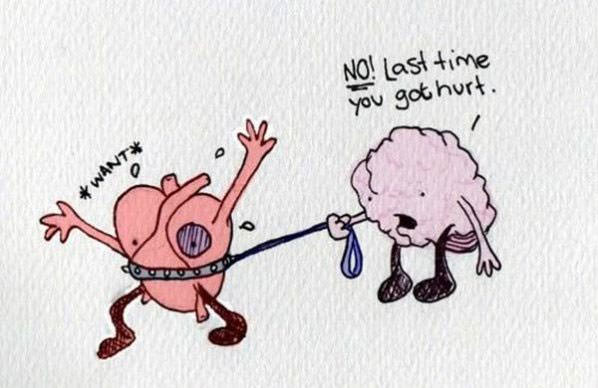
“A key to alleviating depression is fostering a shift from self-worth goals to learning goals and from the beliefs underlying self-worth goals to the opposite beliefs.”
There is evidence that beliefs (cognitive vulnerabilities) and goals (to prove self-worth) contribute to depression but little consideration of how they work in tandem. Synthesizing research on beliefs and goals leads us to four propositions: (a) People with cognitive vulnerabilities often adopt self-worth goals (seeking to prove self-worth and to avoid proof of worthlessness). People with the opposite beliefs often adopt learning goals. (b) Stressors trigger depression largely because they lead people with self-worth goals to focus narrowly on goals to avoid proof of worthlessness. The same stressors do not lead people with learning goals to become depressed. (c) People with goals to avoid proof of worthlessness adopt defensive self-handicapping behaviors (e.g., effort withdrawal, rumination) when dealing with stressors, because those behaviors serve their goals. The same stressors lead people with learning goals to adopt constructive, problem-solving strategies. (d) A key to alleviating depression is fostering a shift from self-worth goals to learning goals and from the beliefs underlying self-worth goals to the opposite beliefs.
Source: How goals and beliefs lead people into and out of depression.from Review of General Psychology – Vol 13, Iss 4 by Rothbaum, Fred; Morling, Beth; Rusk, Natalie
I think this technique could be really powerful.
Join over 320,000 readers. Get a free weekly update via email here.
Related posts:
New Neuroscience Reveals 4 Rituals That Will Make You Happy
New Harvard Research Reveals A Fun Way To Be More Successful
How To Get People To Like You: 7 Ways From An FBI Behavior Expert


